
Adaptive Seating by Condition
Two people can need the same chair for completely different reasons. EMP Living adaptive seating answers both, but only when it is configured for the person. Find yours below, or talk to us and we will work it out together.
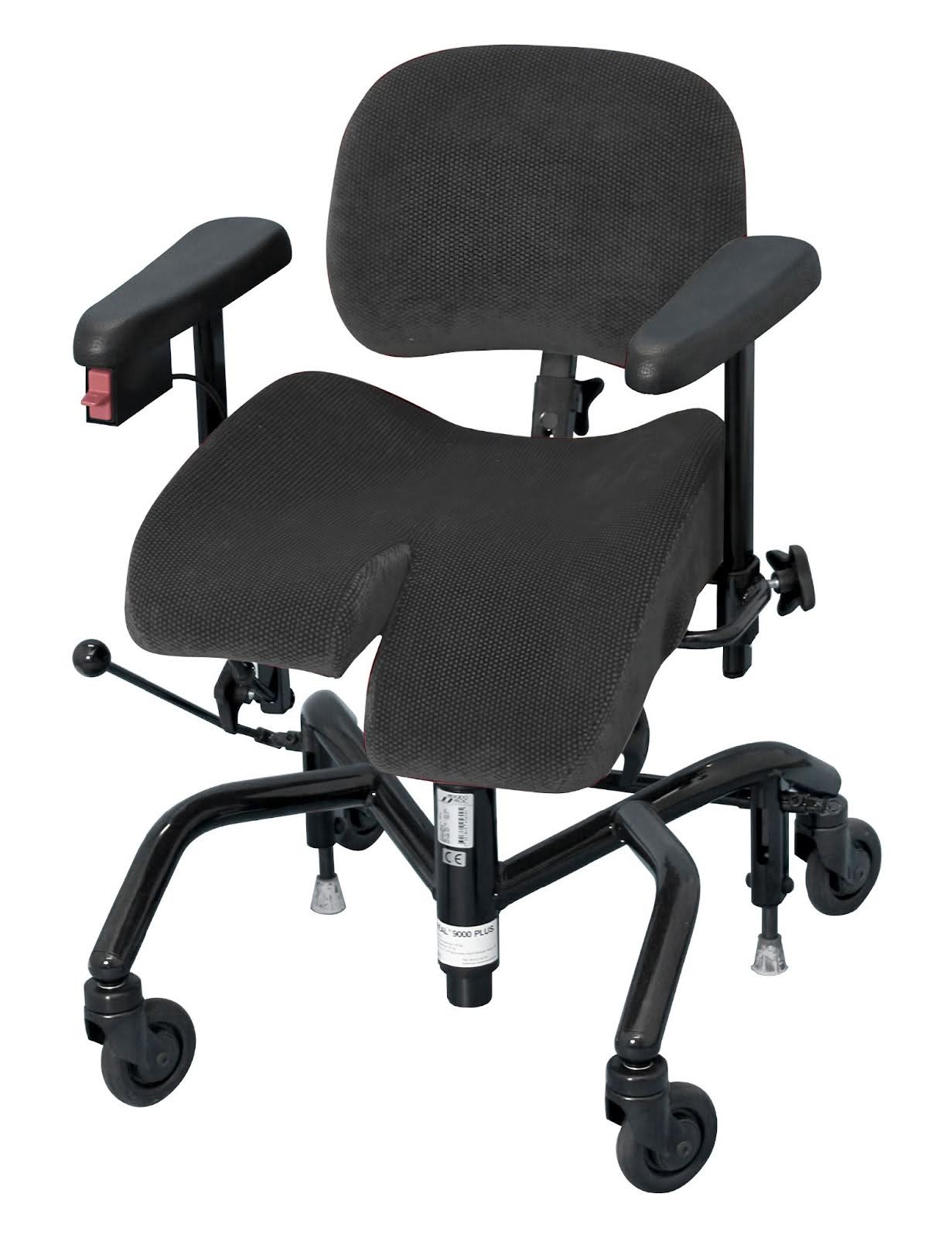
Find a Special Needs Chair for Your Condition
Chairs Configured for Progressive and Neuromuscular Conditions
- Multiple sclerosis chair for fatigue, balance difficulties, and variable endurance
- ALS chair for progressive weakness and changing support needs
- Muscular dystrophy adaptive chair for long term adjustability as strength changes
- Mobility chair for Parkinson’s for stability during transfers and tremors
- Mobility chair for polio and post polio fatigue management
- Stroke chair for asymmetric weakness and one sided support
- Adaptive chair for cerebral palsy for children and adults needing structured trunk support


Chairs Configured for Posture, Recovery and Body Type
- Scoliosis chair for curve accommodation and seated alignment
- Arthritis chair for joint pain, stiffness and reduced dexterity
- Desk chair for hip and back pain for people who work seated
- Rehabilitation chair for therapy settings and recovery
- Bariatric office chair for higher weight capacity without losing function
- Mobility chairs for little people sized for short stature
Request Pricing for a Configured Adaptive Chair
Pricing depends on configuration, so we quote the chair you would actually use. No standard list price, because there is no standard chair.
Which REAL Chair Your Configuration Starts From
Choosing a REAL Chair begins with the person’s size, weight, and mobility needs; not simply their diagnosis. From there, each chair can be configured with the positioning, controls, and support they need.

The usual starting point. Powered seat-height adjustment, tilt, and a safety brake help make activities at a desk or table, tasks in the kitchen, and transfers easier.

Designed for children and can be adjusted as they grow, supporting participation in the classroom, during therapy, and at home.

Carries the same powered functions on a reinforced frame, with a weight capacity of 605 lbs.
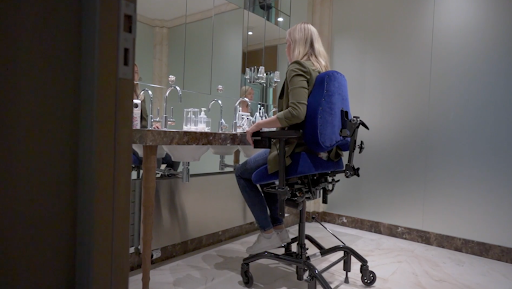
Built around frequent sit-to-stand movement, for people whose main difficulty is getting into and out of a seated position.
How Adaptive Seating Makes Everyday Moments Easier
A chair that fits reduces the effort needed to sit, move, and participate throughout the day. That is why, when customers tell us about their REAL Chair, they often talk less about the chair itself and more about what has become easier because of it. A chair that fits removes the effort that a badly fitted seat adds to everything else, which is why so much of what our customers report back is about the day rather than the chair.
What Adaptive Seating Does for Posture, Comfort and Independence
Designed by physical and occupational therapists, our seating systems bring several important elements together:
Keeping the head, trunk and limbs aligned, which reduces muscle contractures and improves posture.
Supporting children’s motor development and participation in activities such as reaching, using their hands, self-feeding and visual engagement.
Distributing weight through proper cushioning to reduce pressure during longer periods of sitting.
Supporting a more upright position, which may make breathing, eating, and other activities more comfortable.
Reducing the physical strain on caregivers by making it easier to position, reposition, and assist with transfers.
Why Configuration Matters More Than Category
An adaptive chair for someone with multiple sclerosis and one for someone with scoliosis may begin with the same frame. What makes each chair different is its configuration: where the lateral supports are placed, whether a headrest is needed, how the harness is adjusted, how much support the backrest provides, and which controls the person can comfortably reach and operate.
Our chairs are modular. Seat belts, harnesses, trunk supports, calf supports, leg dividers, leg supports, and other positioning components can be added, removed or repositioned without replacing the chair. This allows the seating system to adapt as the person’s needs change. If a standard component does not provide the right fit, we can often develop a customized solution.
A diagnosis tells us where to start. It does not tell us what you need.

Talk With an Adaptive Seating Specialist About Your Diagnosis
Free consultation, no obligation. Tell us what you or your family member would like to do more comfortably and independently, and we will explain honestly what a properly configured chair may—and may not—be able to help with.