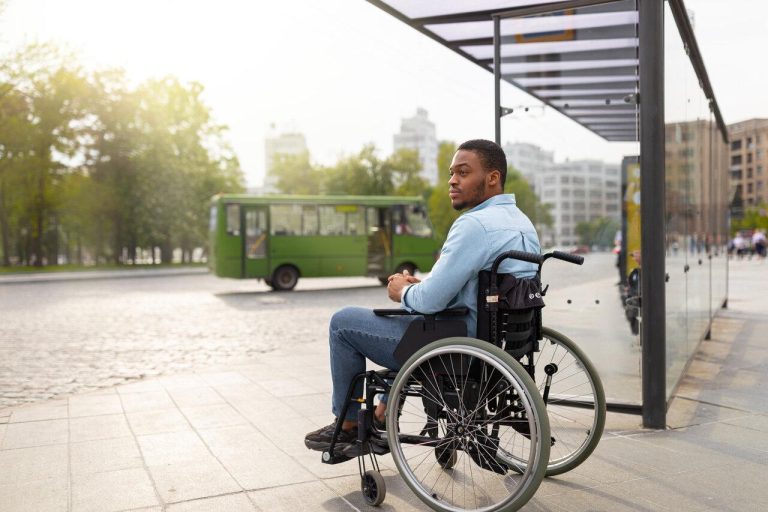
Short answer: Yes—chair exercise really can work. A smart chair-based exercise plan can build strength, improve balance, boost mobility, and support cardiovascular fitness, especially for older adults, people using a wheelchair, or anyone dealing with arthritis or balance issues.
In this guide, we’ll break down what chair workouts can realistically improve, how to structure a safe total-body routine, and why using a supportive mobility chair can be an advantage for seated training.
This content is for general informational purposes only and is not medical advice. Always consult your physician or qualified healthcare professional before starting any new exercise program—especially if you have a medical condition, pain, dizziness, recent surgery, or take medications.
Do Chair Exercises Work for Strength, Balance & Mobility?
Chair exercises work for what you train. Chair workouts are excellent for mobility, balance, functional strength, and getting moving again after long sedentary time—and they can support cardiovascular health using safe cardio moves.
However, it is important to treat chair workouts as real training—not random moves. To achieve this, you’ll need to consider the following:
- Use a stable chair setup (no slipping, no wobble, sensible armrests).
- Train key patterns: push, pull, hinge, squat-to-stand, carry/brace.
- Progress gradually: more reps, more time, more resistance.
- Prioritize form to reduce muscle and joint strain, especially with knee issues, a sensitive hip joint, or inflammatory conditions.
Explore Adaptive Seating Solutions
Chair Exercises for Seniors, Wheelchair Users & Arthritis: What Do Results Look Like?
Here are the results most people actually notice from consistent seated workouts:
Strength and muscle strength (upper + lower body)
You can train arms, shoulders, core, thighs, quadriceps, glute muscles, and obliques with chair-friendly strength training:
- Seated presses and raises for arm muscles and shoulders
- Rows/reverse fly patterns for posture and upper back
- Leg extensions, heel/toe raises, and marching patterns for legs and thighs
- Sit-to-stand practice or assisted squat patterns when appropriate
Better balance and stability
Even seated, you can train balance systems:
- Controlled weight shifts
- Single-leg holds (supported)
- Core bracing + posture control
- Standing progression near a stable chair (when cleared and safe)
Mobility and flexibility
A chair is a great tool for flexibility exercises and joint-friendly range work:
- Hamstring stretch
- Hip mobility drills
- Thoracic rotation
- Shoulder mobility and chest opening
- Gentle seated yoga and chair-based yoga flows
Cardiovascular health and blood flow
Chair cardio can increase heart rate without impact:
- Seated marches / high-knee marching
- Seated jumping jacks (low-impact version)
- Fast arms + legs intervals (moderate intensity)
This can support blood flow, blood supply to working muscles, and overall cardiovascular movements—especially if walking long distances isn’t comfortable yet.
Weight loss
Chair workouts can support weight loss mainly by helping you:
- Reduce sedentary time
- Build consistent exercise habits
- Improve daily activity capacity
Weight change still depends on overall lifestyle, total activity, nutrition, and consistency. Chair training is often the “on-ramp” that makes broader activity possible.
Adult Independent Living Skills for Adults with Limited Mobility
Why a Mobility Chair Can Be Advantageous for Chair Exercise
Most chair-exercise advice assumes you have a sturdy kitchen chair. That’s fine—until it isn’t. If you’re an older adult, live with arthritis, use a wheelchair, have balance issues, or feel unstable during transfers, your chair setup becomes the limiting factor.
That’s where a purpose-built mobility chair can help your training feel safer, more controlled, and more repeatable.
What makes an EMP Living mobility chair helpful for chair workouts
EMP Living’s mobility chairs are designed for supported seated positioning and safer everyday movement—features that can translate into better chair-exercise sessions:
- Stability and positioning: A chair that stays put helps you focus on muscle engagement instead of “don’t fall.”
- Support for range of motion: Better alignment can make a hamstring stretch, hip work, and shoulder mobility more effective.
- Armrests used correctly: Armrests can assist sit-to-stand practice, controlled squat variations, and safe transitions.
- Confidence: When your chair setup feels secure, people tend to move more—leading to more total exercise volume over time.
If you’re building a chair-based exercise routine and want a setup that supports stability and positioning, you can sign up for an EMP Living consultation and ask which mobility chair configuration best matches your needs. Share your goals (strength, cardio, flexibility) and current limitations (balance, transfers, knee/hip comfort).
Sign Up for a Free Consultation
Chair Exercise Safety Factors to Consider
Chair exercise is often safer than standing-only training, but safety still matters.
Ask healthcare professionals when needed
If you have a heart condition, dizziness, chest pain, uncontrolled blood pressure, recent surgery, or significant pain, talk to a cardiologist or your cardiac rehab team before progressing intensity.
Osteoporosis and joint considerations
With osteoporosis or painful musculoskeletal injuries, avoid aggressive twisting, loaded spinal flexion, or deep ranges that provoke pain. Prioritize alignment, controlled tempo, and supported movement.
Arthritis and inflammatory conditions
With arthritis or inflammatory conditions, expect stiffness to improve with gentle movement and a good warm up, but avoid pushing through joint pain. Muscle fatigue is okay; sharp joint pain is not.
Where Can I Buy a Lift Chair for Maximum Comfort and Mobility?
Total-Body Chair Workout Plan: Strength Training + Cardio Workouts + Yoga/Pilates Elements
Below is a structured routine you can repeat 2–4 days per week. It targets key muscle groups (arms, legs, core) plus mobility and cardio. Use an instructor if you’re new, or follow trusted videos and an exercise class format for consistency.
Warm up and diaphragmatic breathing
Start with 3–5 minutes:
- Diaphragmatic breathing (hands on ribs, slow nasal inhale, long exhale)
- Gentle neck turns, shoulder circles, ankle circles
- Easy seated marches to increase blood flow
Goal: warm up joints, raise heart rate slightly, and improve movement quality.
Strength block (upper body): arms, shoulders, back
Do 2–3 sets each (8–12 reps):
- Seated overhead press (light dumbbells or water bottles)
- Biceps curl (dumbbells or bottles)
- Seated row (loop resistance bands around a stable anchor)
- Reverse fly (bands or light weights)
- Chair-supported incline push-up (hands on armrests/seat edge if safe)
Form cues: ribs down, tall spine, controlled tempo. Stop if there is sharp pain.
Strength block (lower body): thighs, glutes, legs
Do 2–3 sets each (8–12 reps):
- Seated knee extension (pause at the top for quadriceps)
- Seated heel raise + toe raise (ankle strength + circulation)
- Glute squeeze / hip hinge pattern (small range)
- Assisted sit-to-stand or chair-supported squat (only if appropriate)
Progression: add a mini-band above the knees for outward tension, or light ankle weights if tolerated.
Core block: core muscles, pelvic floor muscles, obliques
Do 2–3 rounds:
- Seated brace: exhale, tighten midsection (10–20 seconds)
- Seated side bends (obliques) (8–10/side)
- Pelvic tilts (slow) (10 reps)
- Gentle pelvic floor muscles coordination: exhale + lift, inhale + relax (not max squeezes)
Note: Core training is about control and stability, not straining.
Cardio block: moderate-intensity exercise (chair cardio)
Pick 1–2 rounds of 3 minutes each:
- High-knee marching + fast arms (30 sec on / 30 sec easy)
- Seated jumping jacks (low-impact)
- “Boxer punches” (fast arms) + alternating heel taps
- Quick step taps (if safe) or seated “run” intervals
Aim for moderate-intensity exercise: breathing heavier but still able to speak in short sentences. This supports cardiovascular health and cardiovascular fitness.
Cool down: flexibility and joint flexibility
Finish with 4–6 minutes:
- Hamstring stretch (gentle, no bouncing)
- Chest stretch (open shoulders)
- Seated spinal rotation (slow)
- Calf/ankle stretch
- Optional seated yoga flow or Pilates breathing
EMP Living – Adaptive Mobility Chairs for Independence at Home, Work & School
At EMP Living, we help people improve day-to-day mobility, balance, and confidence with supportive seating solutions built for real life. Our powered REAL mobility chairs are designed to make movement safer and more comfortable—whether you’re doing chair exercises, working on strength and range of motion, or simply moving between rooms with better stability.
We guide you through the right fit and setup with a personalized consultation, so your chair supports your goals at home, at work, or in a clinical setting.
Seated Exercises for Seniors & Wheelchair Users | FAQs
Do chair exercises really work?
Yes. Chair exercises can improve strength, balance, mobility, flexibility, and cardiovascular fitness when you train consistently and progress over time. Results depend on proper form, a stable chair setup, and choosing movements that match your current ability.
What benefits can chair exercise realistically improve?
Most people notice better leg and arm strength, improved stability, easier daily movement, increased range of motion, and better stamina. Chair cardio can also support circulation and cardiovascular health, especially if walking or standing is limited.
Are chair exercises good for seniors?
Yes. Chair exercises are popular with seniors because they’re low-impact and can be adapted for different fitness levels. They can build strength, improve balance, and reduce sedentary time while supporting safe movement and confidence.
Can wheelchair users do chair workouts?
Yes. Many seated workouts are appropriate for wheelchair users because they focus on upper-body strength, core control, posture, and circulation. With guidance, you can also train mobility and endurance using safe intervals and controlled movement.
Can chair workouts support weight loss?
They can support weight loss by helping you move more consistently, reduce sedentary time, and build fitness habits. However, weight loss still depends on overall activity and nutrition. Chair exercise is often a sustainable starting point for long-term progress.